
The Customer Everyone’s Ignoring (And How Smart Brands Are Winning Because of It)
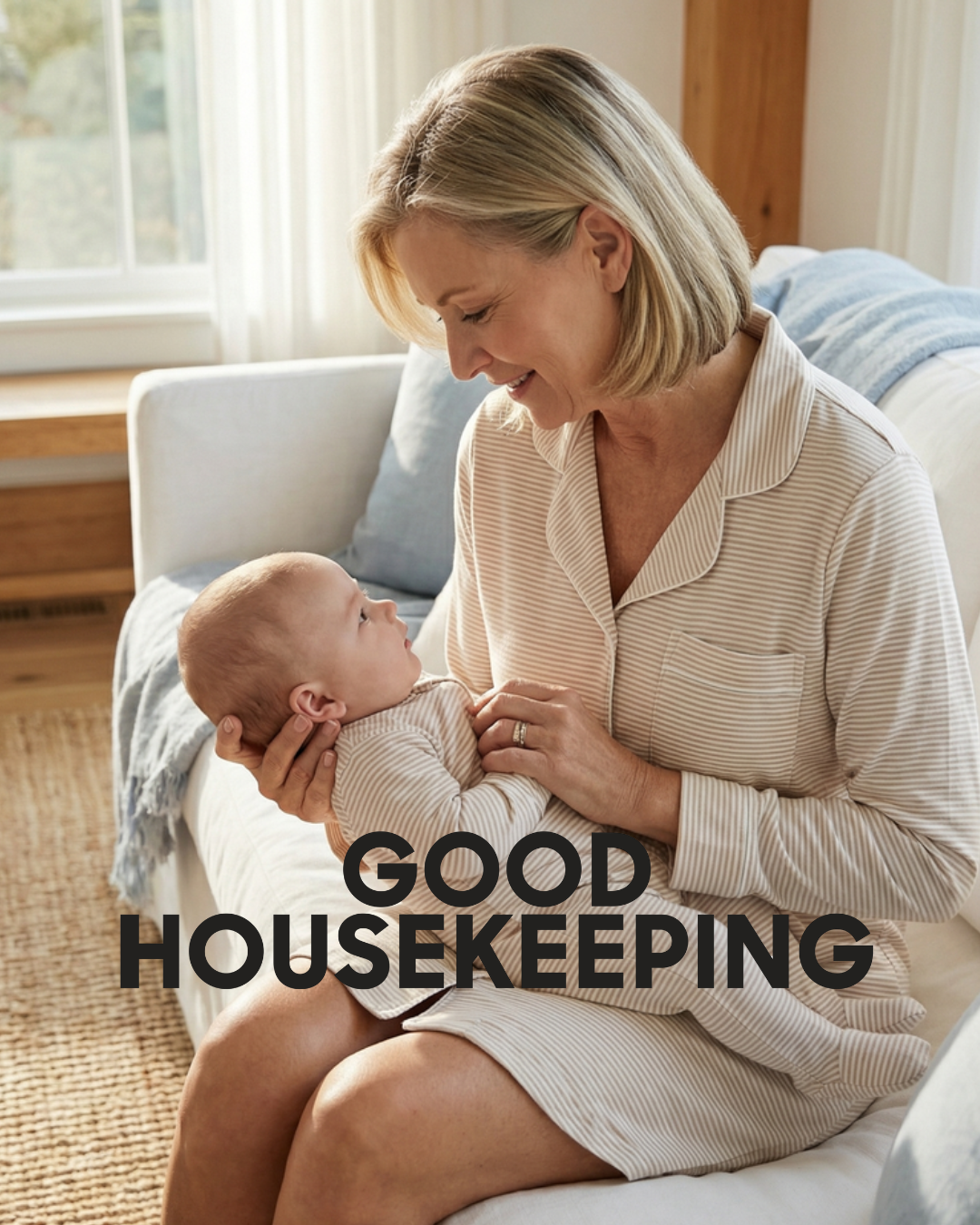
There’s a customer with disposable income, deep brand loyalty, and a genuine desire to spend on the people she loves most.
She’s not a millennial mom. She’s Grandma.
And almost no one in the children’s product space is talking to her directly.
The Numbers Don’t Lie
There are 70 million grandparents in the U.S. Together, they spend $238 billion per year on their grandchildren. The average grandparent contributes nearly $4,000 annually - on gifts, clothing, experiences, and everyday needs. And according to AARP, grandparents account for 42% of all consumer spending on gifts.
Women aged 60–75 are among the most intentional gift buyers in the market. They’re not impulse shopping. They’re looking for something worth giving. Something that feels premium. Something the mom will love just as much as the kid.
That’s a very specific buyer - and most brands aren’t speaking her language.
What We’re Doing at Motette
When Good Housekeeping featured Motette in their best gifts for 70-year-olds roundup, it wasn’t an accident. It was a signal we’d been building toward.
We started thinking about the full purchase journey - not just who’s wearing the product, but who’s buying it and why. Grandma isn’t buying bamboo pajamas because she saw a reel on Instagram. She’s buying them because she wants to give something beautiful, thoughtful, and lasting. She wants the mom to open it and say where did you find this?
So we started showing up where she is. Editorial gift guides. Publications that speak to women in their 60s and 70s. Messaging that emphasizes quality and giftability, not just the everyday utility we lead with for parents.
Same product. Smarter positioning.
How I’m Applying This With Brands I Work With
At Atlas Row, one of the first things I do with any product-based brand is audit who’s actually buying — not just who we think the customer is.
More often than not, there’s a gifting customer hiding in the data. A grandparent, an aunt, a family friend. Someone who buys once, buys well, and comes back every holiday season like clockwork. But because the brand has never spoken to her, she’s found you by accident - not by design.
That’s a massive missed opportunity.
Here’s how we start closing that gap:
1. Get into the right editorial rooms. Gift guides for the 60+ demographic, grandparent-focused publications, and legacy media like Good Housekeeping, AARP, and Better Homes & Gardens are chronically underutilized by children’s and lifestyle brands. The pitches aren’t hard to write - the competition just isn’t there yet.
2. Reframe your gifting messaging. Most brands write product copy for the user. Flip it. Write for the buyer. What does Grandma need to know to feel confident putting this in a gift bag? Lead with quality, craftsmanship, and the reaction she’ll get when it’s opened.
3. Build a gifting entry point on your site. A “Gifts from Grandma” collection, a gift guide landing page, or even a simple filter — these are low-lift changes that can meaningfully shift conversion for this buyer. She wants to be guided, not left to browse.
4. Think about the unboxing. Grandma is not dropping $60 on pajamas without packaging that feels like it justifies the price. If your product arrives in a poly mailer, you’ve already lost her. Presentation matters to this buyer more than almost any other.
5. Track it. Once you start activating this customer, measure her. Look at her average order value, her return rate, her lifetime value. My guess is she outperforms your core demographic on all three.
The White Space Is Real
Most DTC brands are fighting over the same 28–42 year old millennial mom. The ads are expensive. The competition is brutal. The loyalty is thin.
Meanwhile, the grandparent economy is largely wide open - especially in premium children’s and lifestyle categories.
You don’t need to rebuild your brand to go after it. You need smarter positioning, sharper PR strategy, and a willingness to show up somewhere your competitors aren’t looking.
That’s exactly the kind of work we do at Atlas Row. If you’re a product-based brand ready to find the customers hiding in your blind spots - let’s talk.
